
Calouste Gulbenkian was a British-Armenian businessman and philanthropist who made his fortune in oil. His private art collection spanned cultures and generations of art.
There is a sense of pride from some Portuguese that Gulbenkian’s collection ended up in Lisbon. It is said that he was just passing through Lisbon, extended his stay a week, and then extended his stay for good after realizing his collection would be exceptional in Lisbon, and only one of many in the US or London.
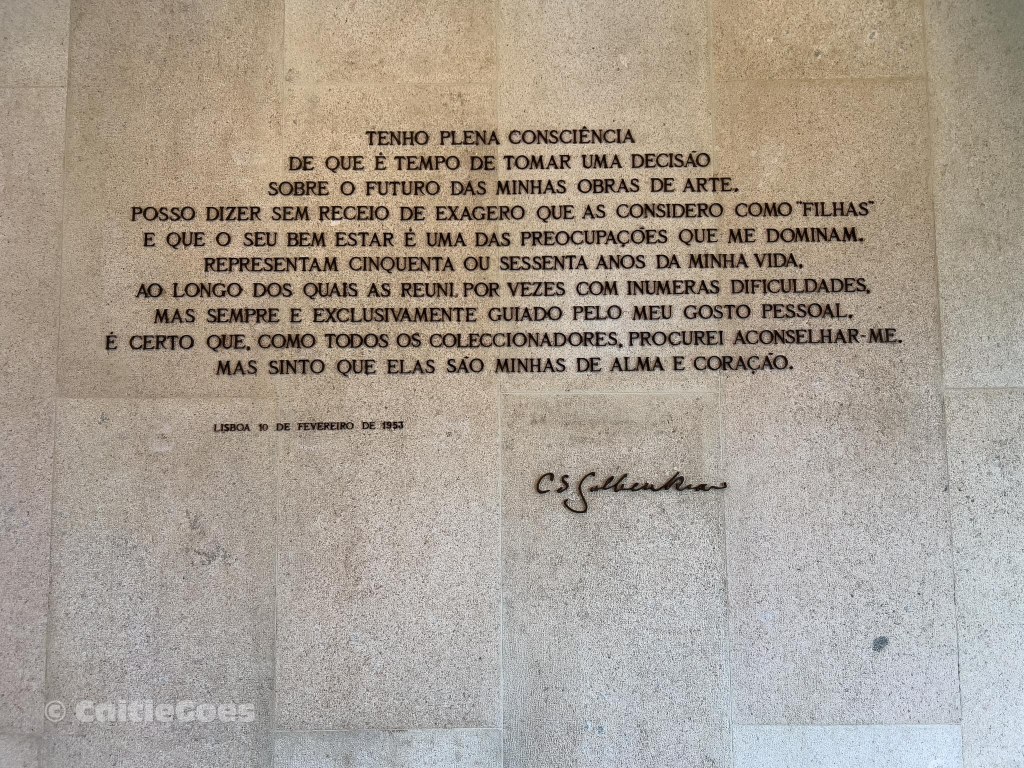
Gulbenkian’s statement on his collection at the entrance of the museum says:
I AM FULLY AWARE THAT IT IS TIME TO MAKE A DECISION ABOUT THE FUTURE OF MY WORKS OF ART. I CAN SAY WITHOUT BEING AFRAID OF EXAGGERATING THAT I CONSIDER THEM AS DAUGHTERS AND THAT THEIR WELL-BEING IS ONE OF THE CONCERNS THAT DOMINATE ME. THEY REPRESENT FIFTY OR SIXTY YEARS OF MY LIFE, DURING WHICH I HAVE GATHERED THEM AT TIMES WITH NUMEROUS DIFFICULTIES, BUT ALWAYS AND GUIDED EXCLUSIVELY BY MY PERSONAL TASTE, IT IS TRUE THAT, LIKE ALL COLLECTORS, I TRY TO GIVE MYSELF ADVICE, BUT I FEEL THAT THEY ARE MY HEART AND SOUL.
LISBON FEBRUARY 10, 1953
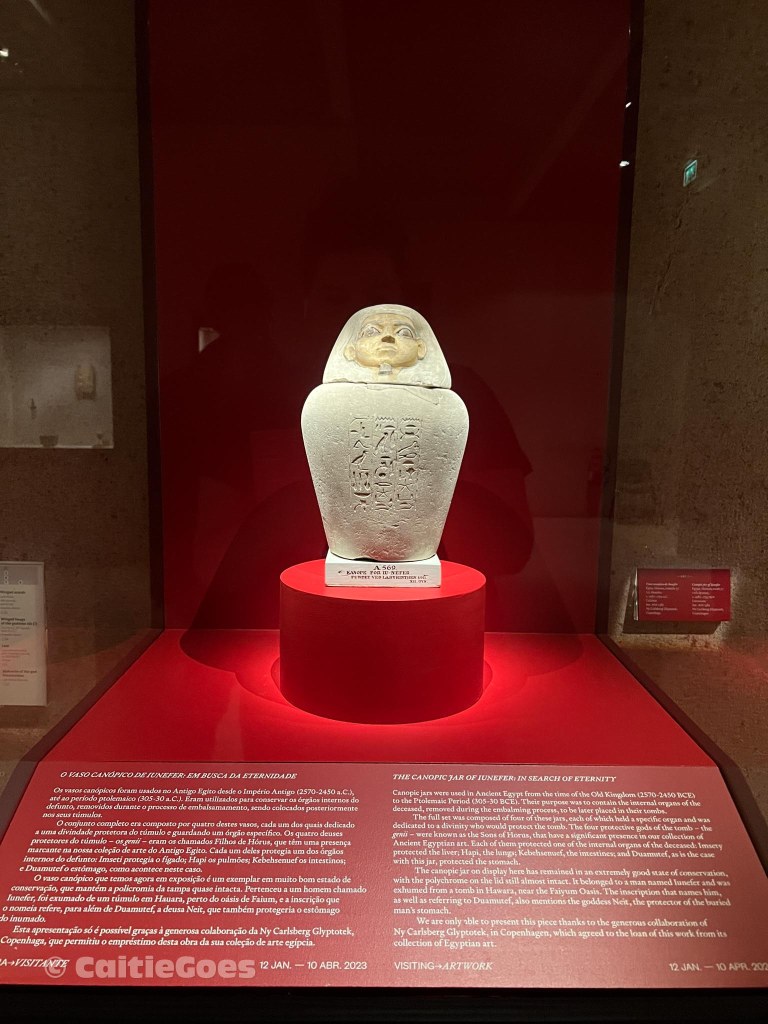
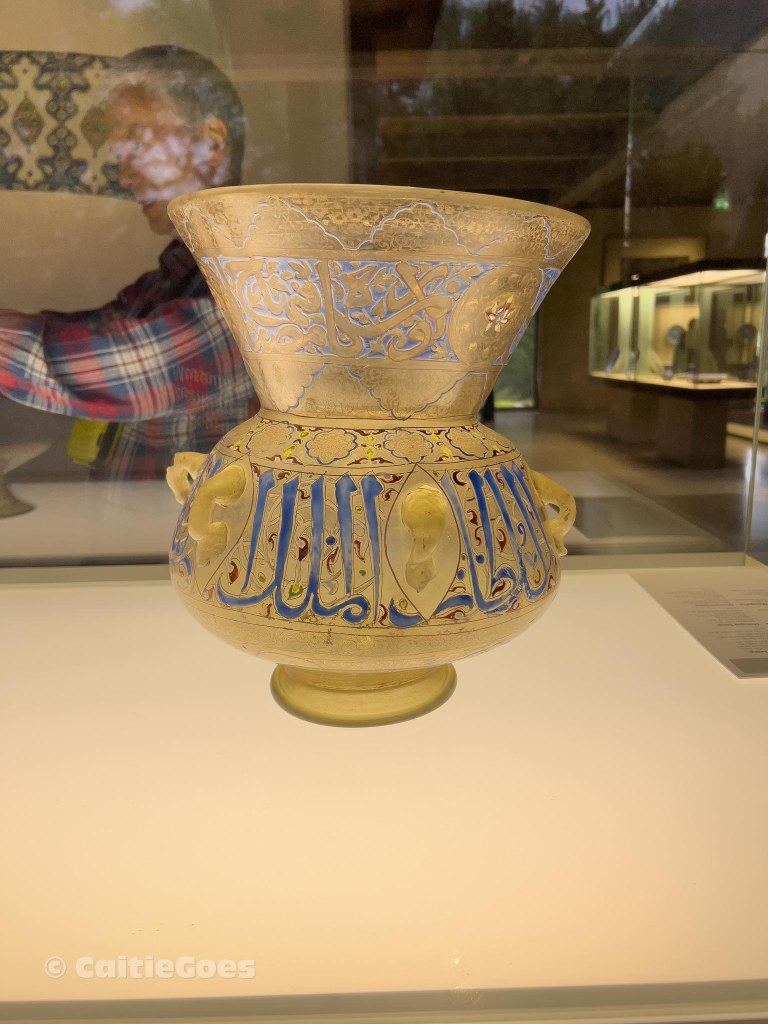
The museum path starts with Egyptian art, Greco-Roman art followed by Mesopotamian, Eastern Islamic and Armenian Art.

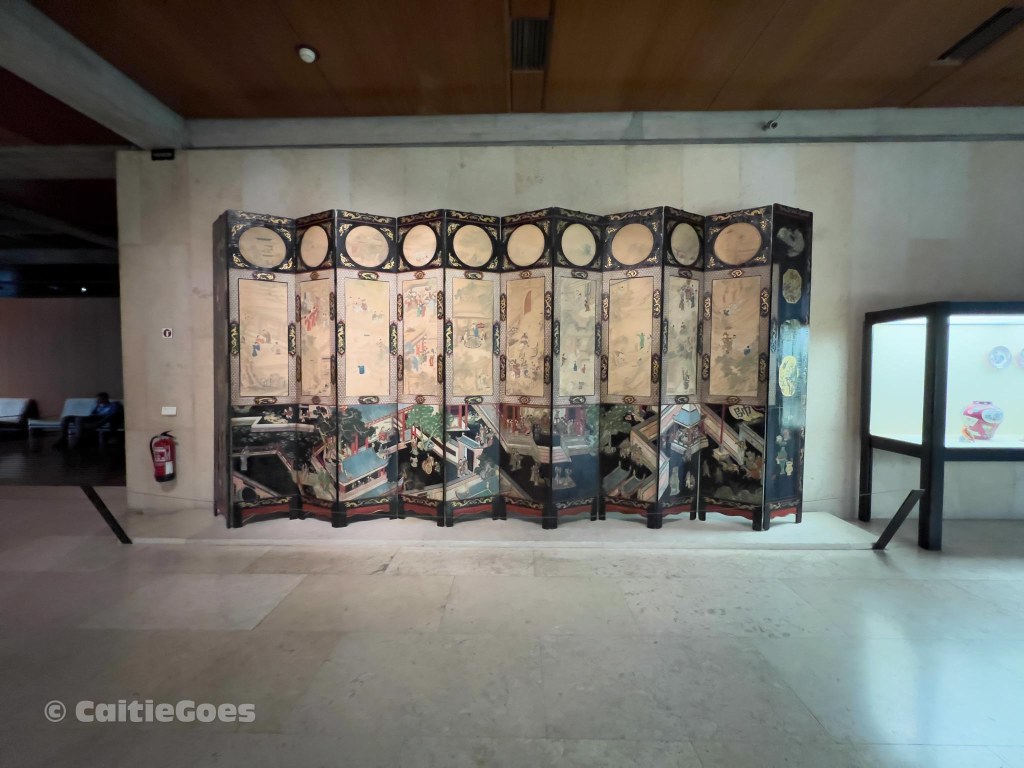
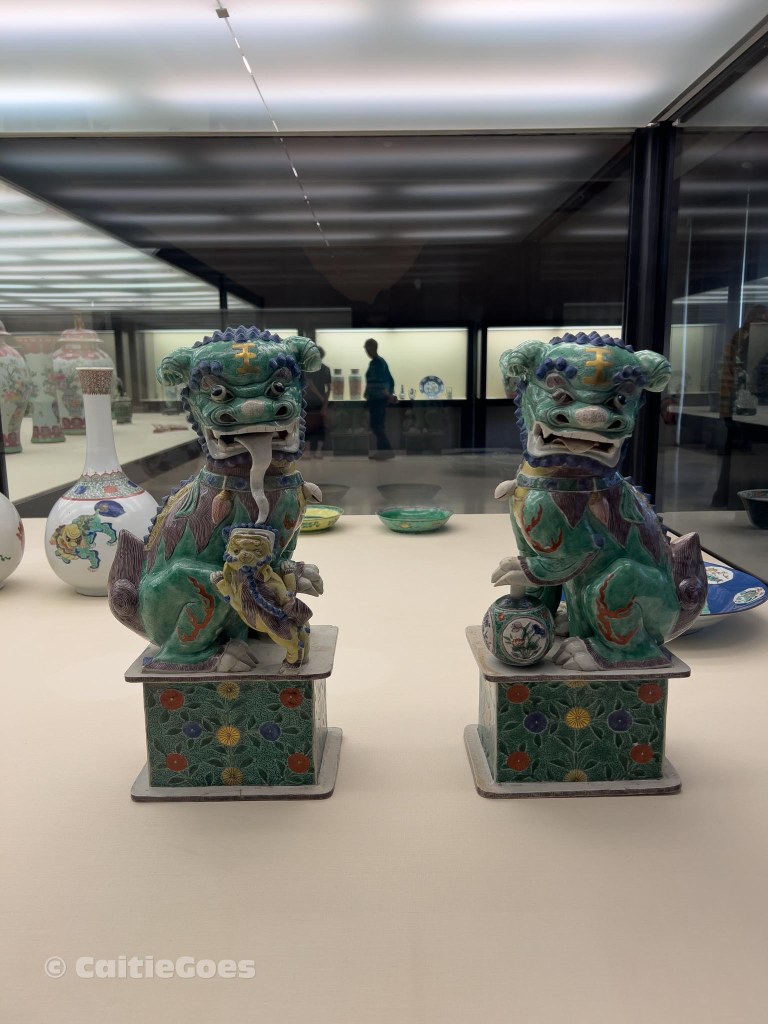
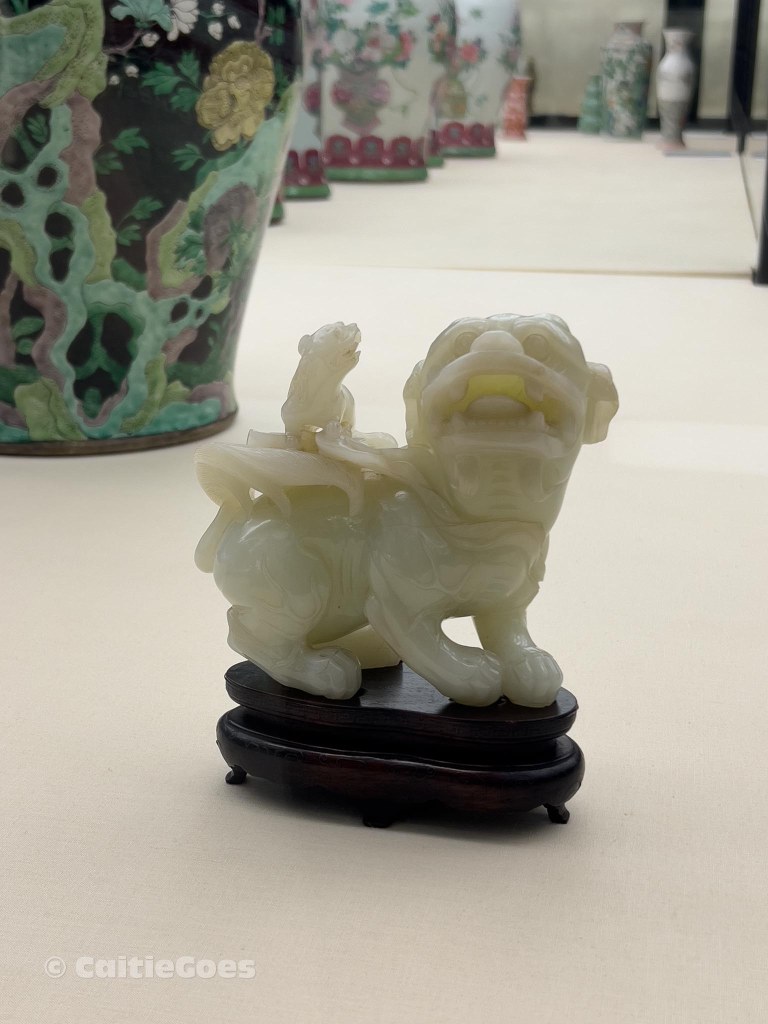
Next was the Far Eastern art, which included a lot of porcelain and beautiful intricate pieces.
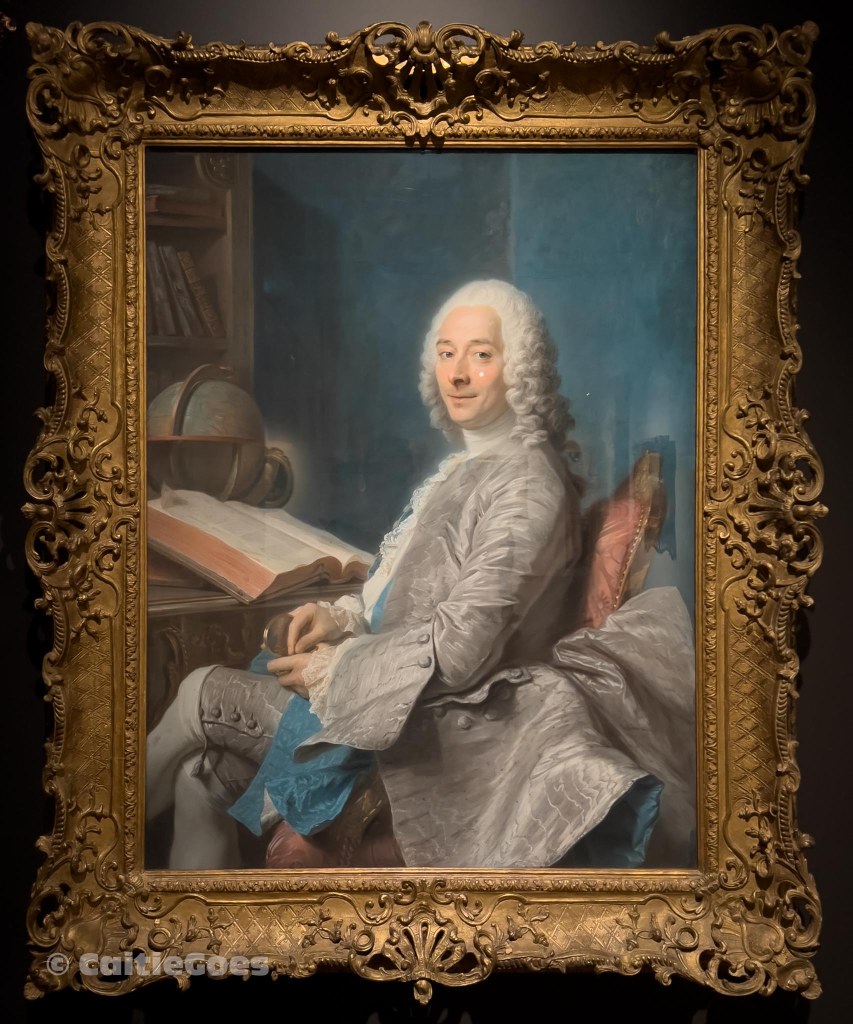
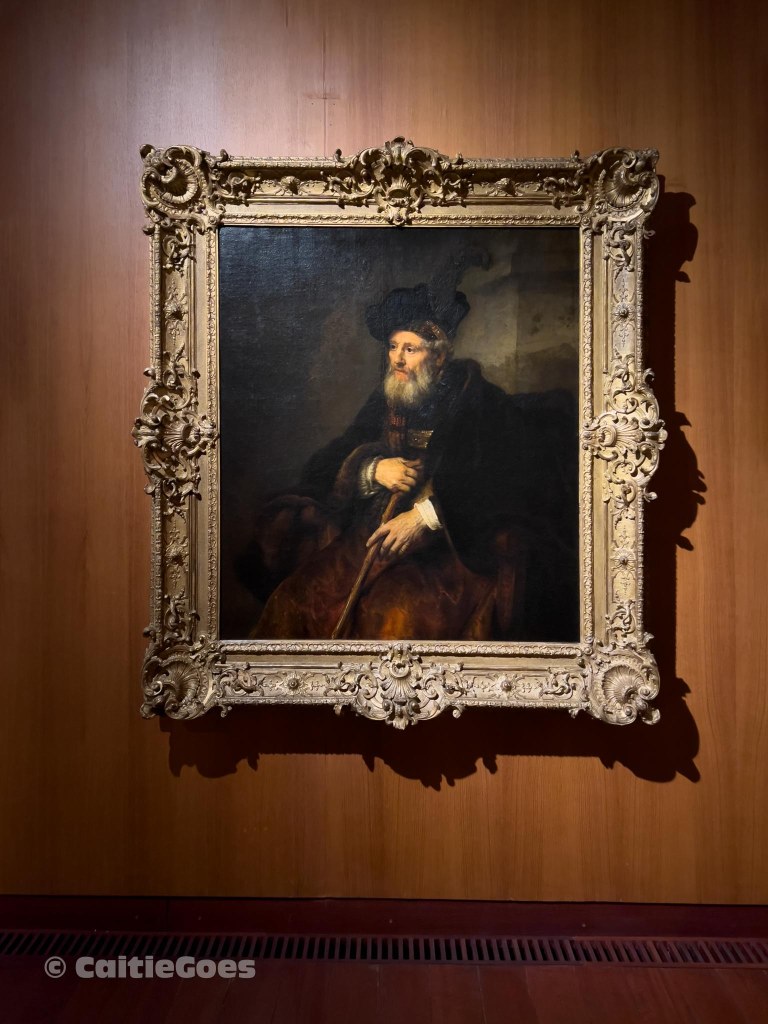
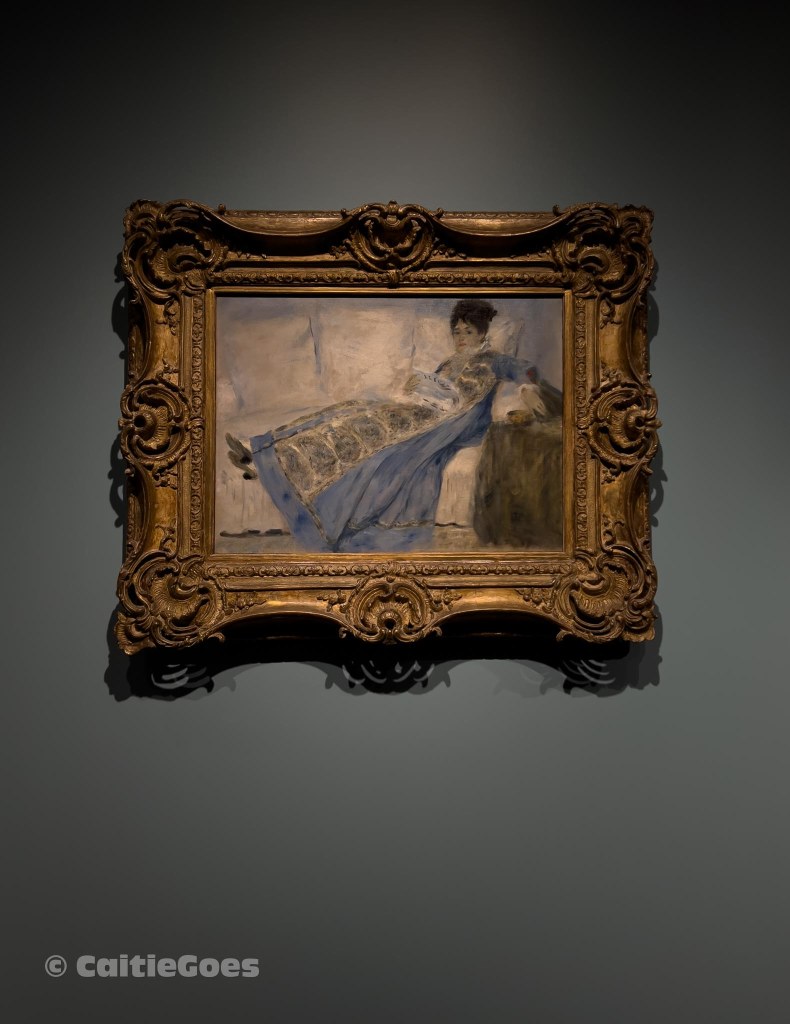
The painting section of the museum focused heavily on portraits. The museum was well-laid out and it was a really excellent feeling to discover some new art from this collection.
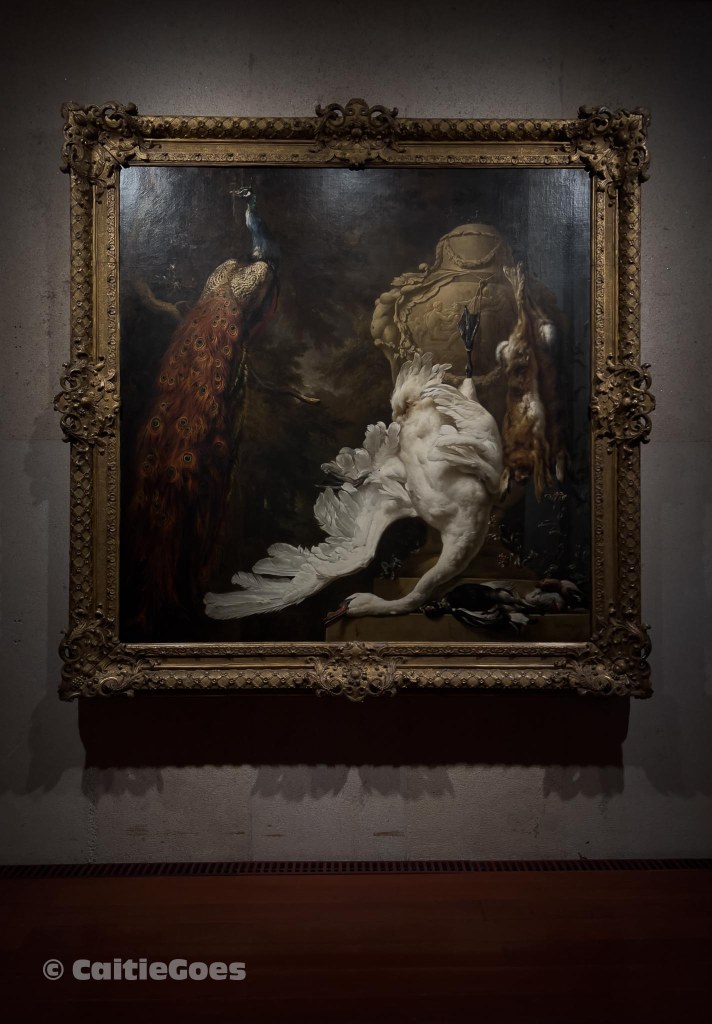
Jan Weenix
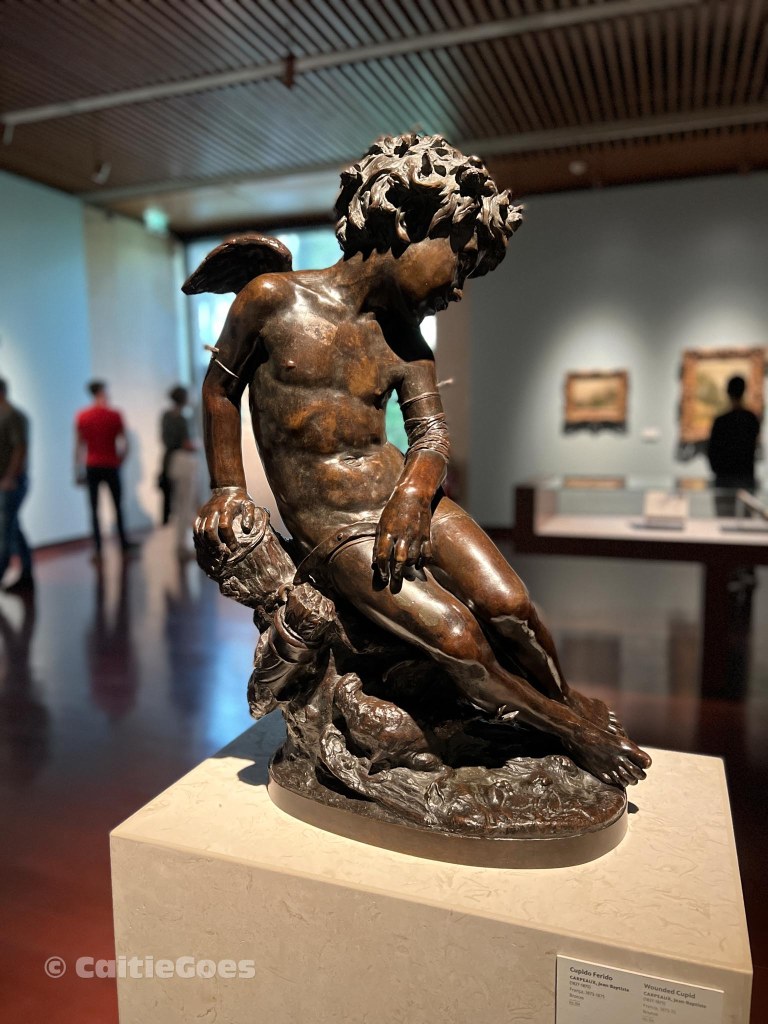
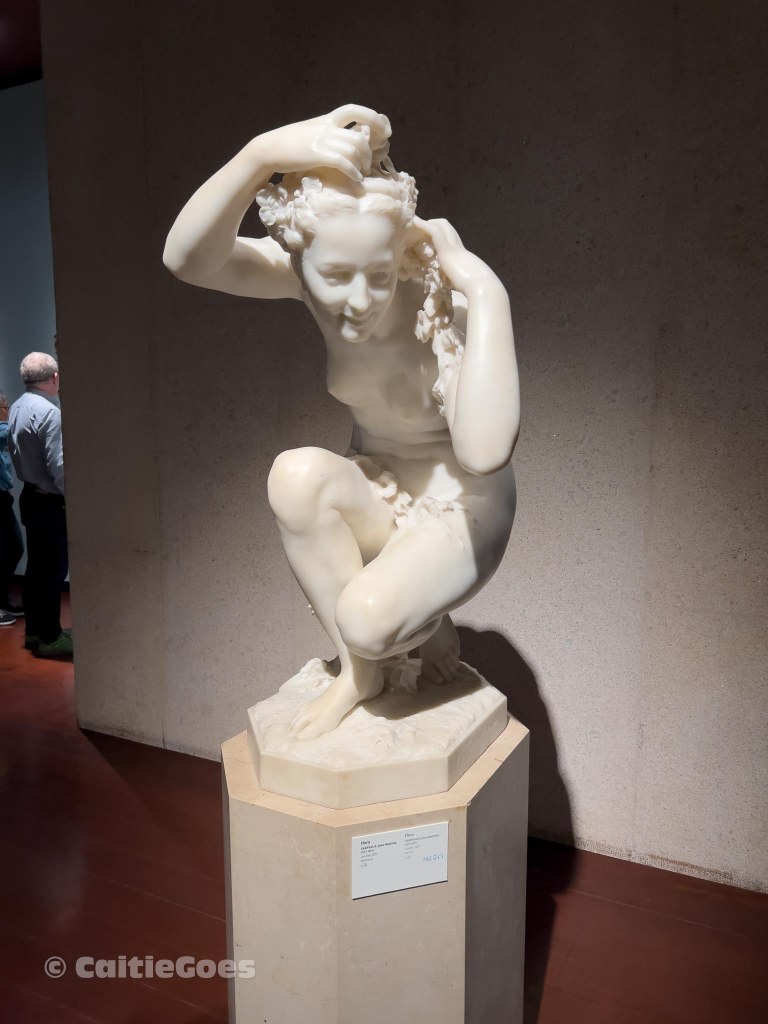
The sculpture collection was one of my favorite parts of the museum. Right at the end, there were a handful of sculptures that were truly a privilege to view.
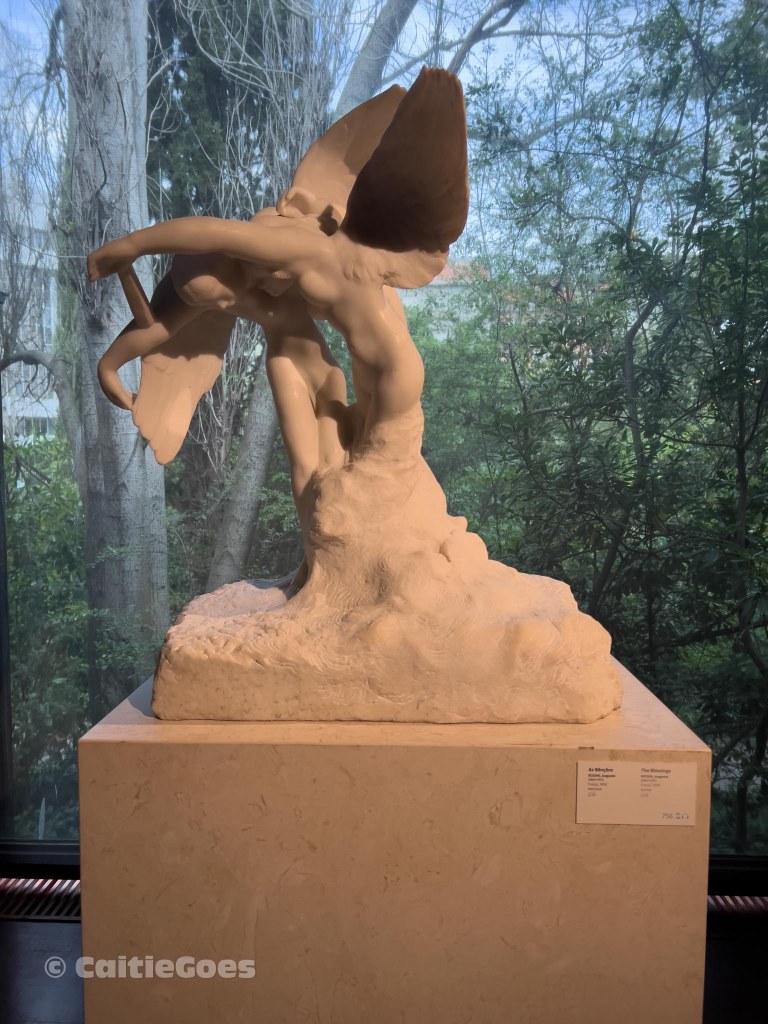
The Blessings, Auguste Rodin
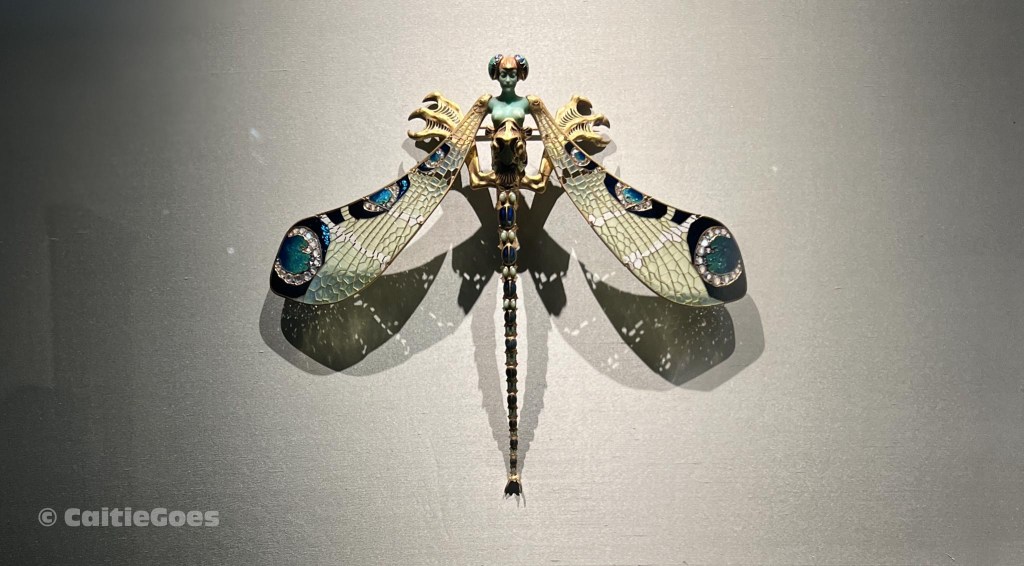
One of the most interesting collections was a room exclusively dedicated to René Lalique’s jewelery and glass production. Lalique was good friends with Gulbenkian, who was the biggest collector of his work. Lalique created totally unique pieces, with intricate and transparent details.
The Cafe at Museu Calouste Gulbenkian
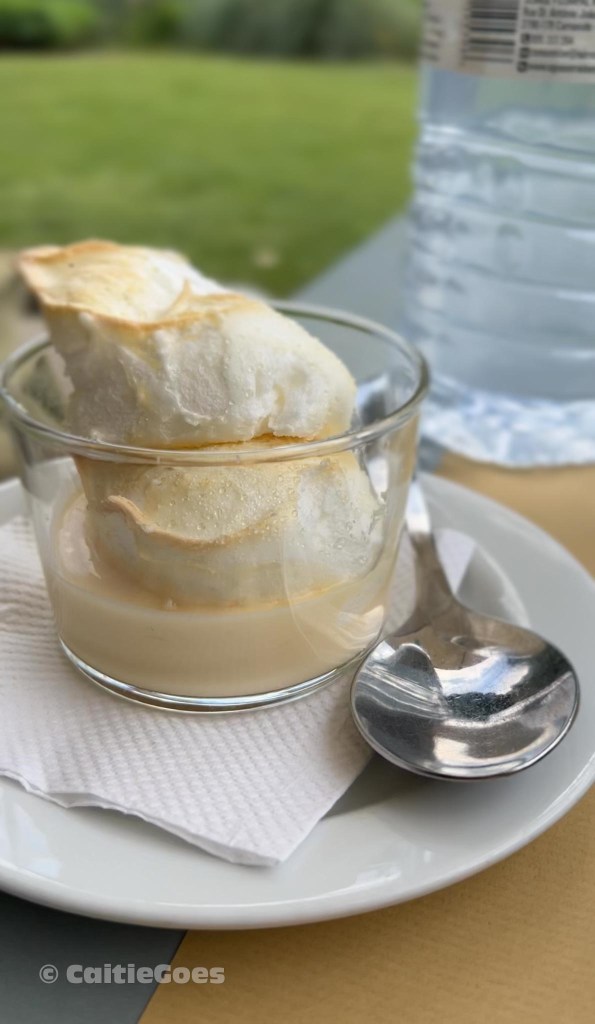
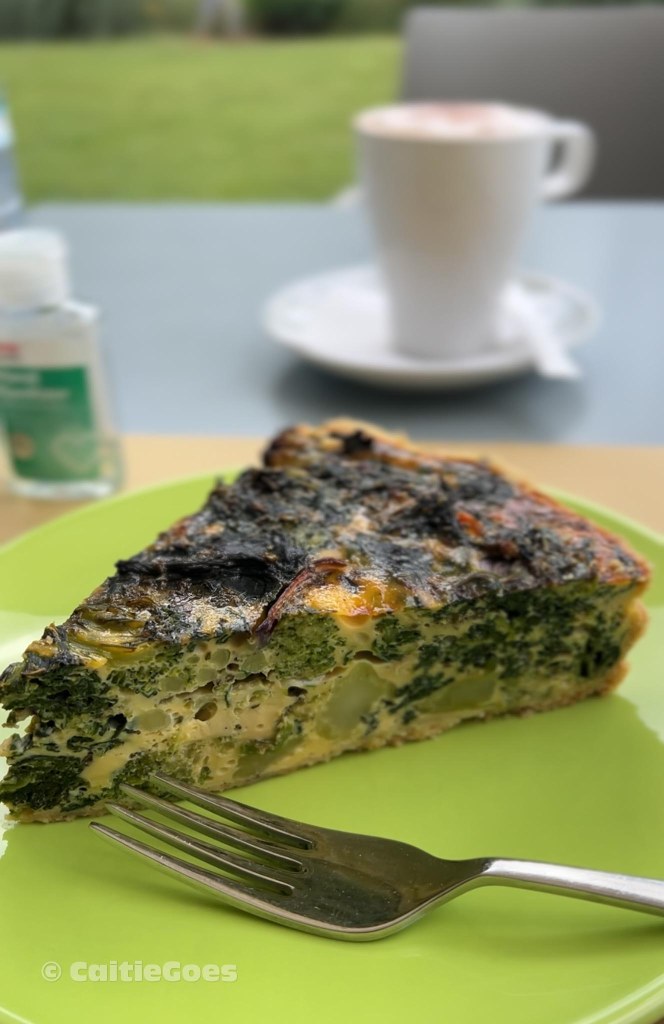
The cafe at the museum was on the ground floor. There was a long line to order but the wait was worth it as a lunch was a good break between museum collection and the museum’s gardens. I ordered a cappuccino, vegetable quiche, and a desert I have forgotten the name of. Everything was great – the quiche was only 4€ and was huge (also tasted great).
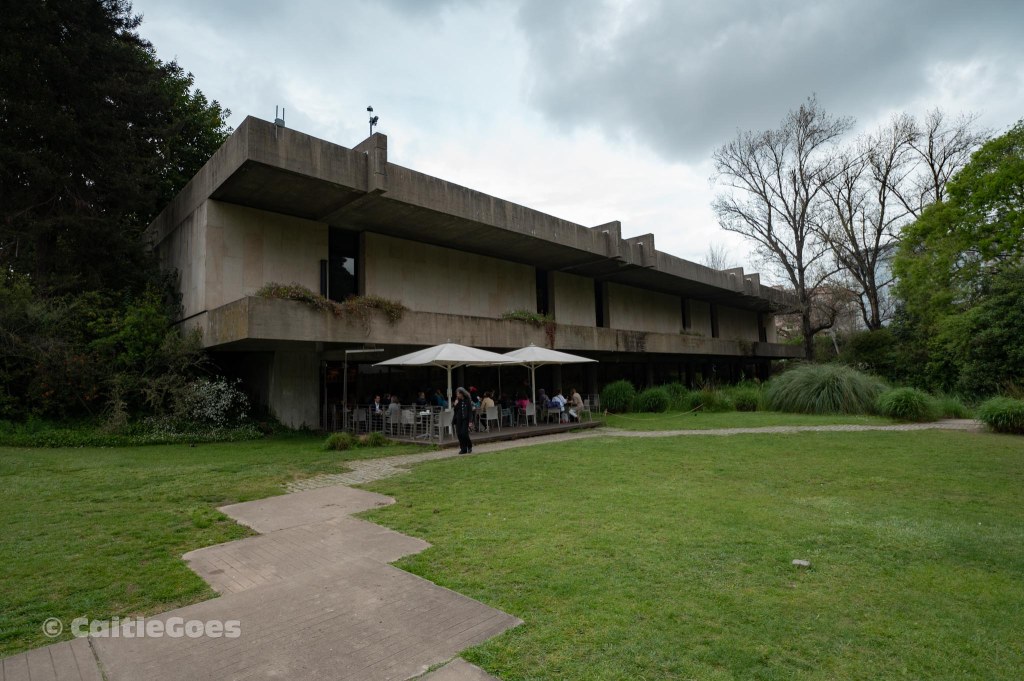
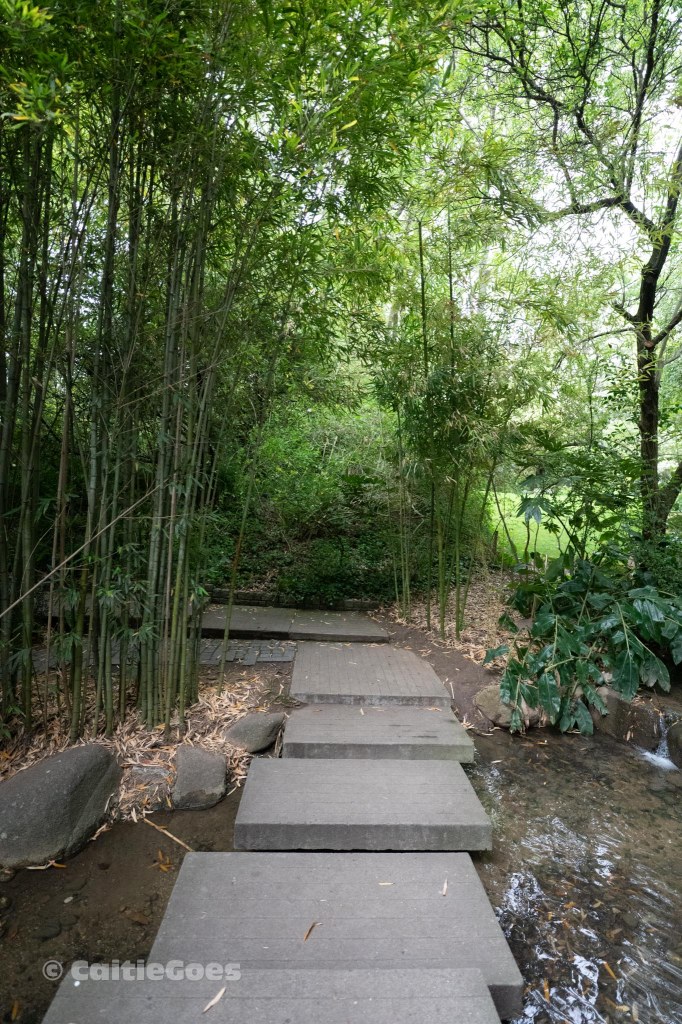
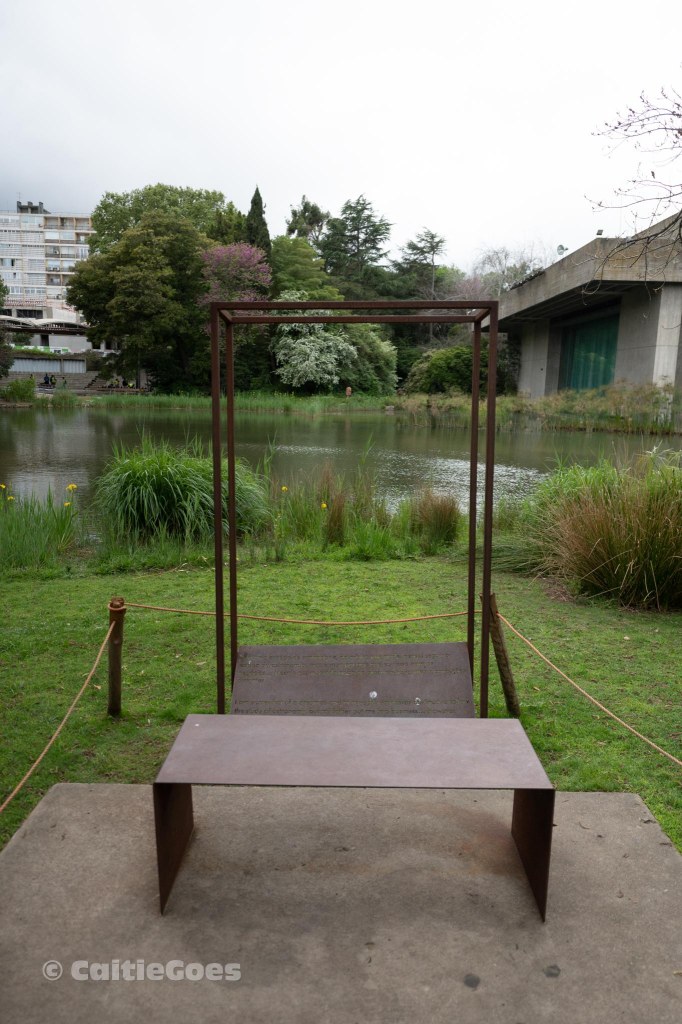
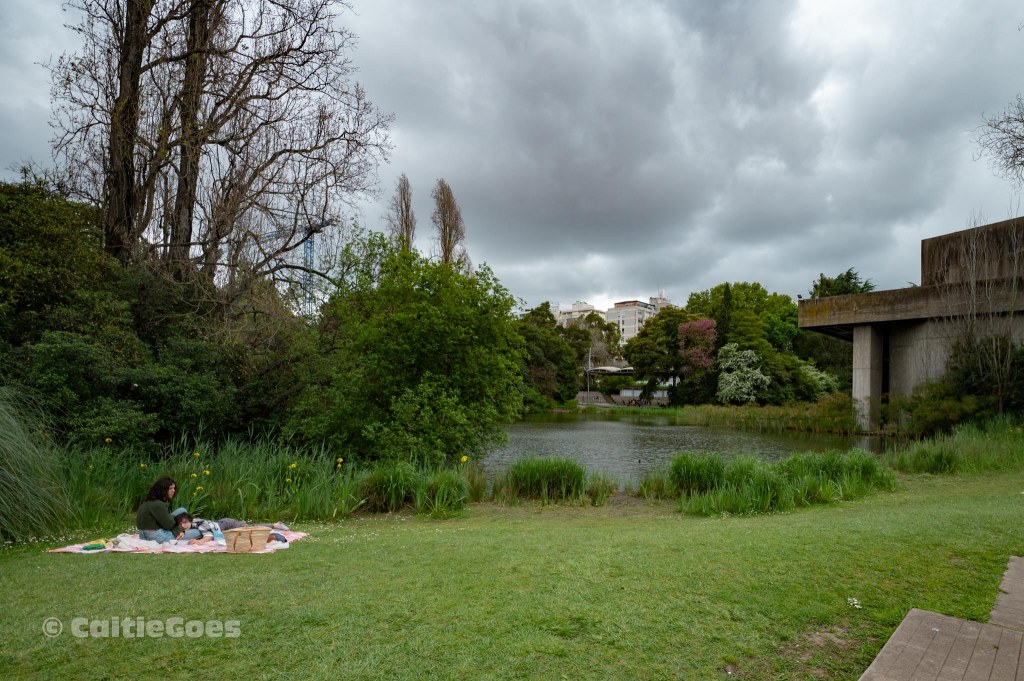
The Garden Area
The weather wasn’t great as I was walking around outside, but the gardens seem like a very relaxed area. many were lounging by the water or in the seated areas throughout the space.
I would recommend this museum to any art or history lover. I would stop back in if I ever make it to Lisbon again.
 Caitie Goes
Leave a comment